Spud Betrayed: The Slow Surrender of Britain's Chippy to the Frozen Bag
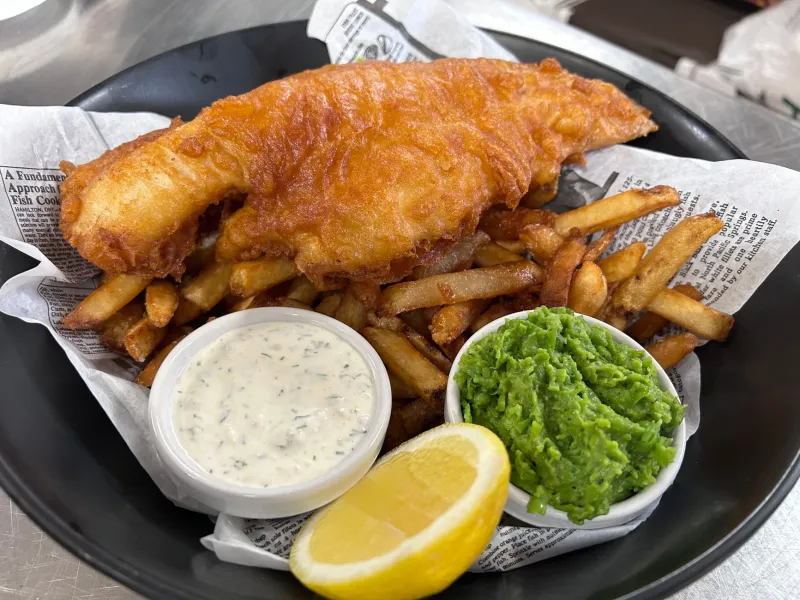
Let's get one thing straight before we start. A chip is not a chip is not a chip. The word carries weight. It implies a transaction — a social contract, if you will — between the person behind the fryer and the person clutching a paper parcel in the rain outside. That contract reads, roughly: I will take an actual potato, cut it properly, and cook it in fat until it becomes something transcendent. You will hand over two quid and be grateful.
Somewhere along the line, a great many chip shops quietly ripped that contract up, binned it, and replaced it with a frozen bag from a warehouse in the East Midlands.
We'd like to know exactly when. And more importantly, we'd like to know why.
The Moment the Potato Left the Building
Ask around among older chippy owners and you'll get a rough consensus: the tipping point came sometime in the early 2000s, though the rot had been setting in since the late nineties. The culprits are familiar — rising wages, potato price volatility, the labour cost of peeling, chipping, and blanching a proper fresh-cut every single day.
"It's not laziness," says Colin Marsh, who has run a chip shop in Whitby for twenty-three years and still cuts his own Maris Pipers by hand every morning. "It's maths. A frozen chip arrives at a consistent size, a consistent moisture content, and costs a fraction of what you'd pay in potato preparation time. For a family business running on thin margins, that's a very hard argument to ignore."
Colin ignores it anyway. But he's quick to point out that not everyone can afford to.
The frozen chip manufacturers — and there are several very large ones — have spent decades refining their pitch to independent operators. The selling points are seductive: reduced waste, predictable cooking times, no seasonal fluctuation in quality, no need for a dedicated prep person. Stack that against the reality of sourcing decent British potatoes through a wet summer when the crop comes in half-waterlogged and you start to see how an owner in, say, Wolverhampton or Wakefield might make a pragmatic decision that nonetheless breaks your heart a little.
What You Actually Lose
The tragedy isn't just philosophical. It's sensory. A fresh-cut chip made from a floury British potato — your Maris Piper, your King Edward, your Rooster if you're feeling adventurous — has a flavour that a frozen product simply cannot replicate. The starch behaves differently. The interior texture is fluffier, more yielding. The exterior, when done right in proper beef dripping or a good-quality oil, achieves a crunch that borders on architectural.
Frozen chips arrive pre-blanched, pre-treated, and sometimes pre-seasoned. They're engineered for consistency, not character. They taste like a chip-shaped approximation of the real thing — which is fine if you've never had the real thing, but quietly devastating if you have.
"People don't always know what they're missing," admits Priya Sandhu, who runs a small fryer operation in Leicester and switched back to fresh potatoes three years ago after a brief, regretted flirtation with frozen. "But they know something's different. They can't always say what. They just stop coming as often."
Priya's turnaround came after a particularly honest conversation with a regular customer — a retired schoolteacher who had been coming in every Friday for a decade and quietly mentioned, one evening, that the chips "weren't quite the same as they used to be." That, Priya says, was enough.
The Holdouts
Across Britain, a stubborn rearguard of proper chippies is doing it the old way. You'll find them in seaside towns where reputation is everything — Whitby, Padstow, Anstruther in Fife. You'll find them in unexpected urban pockets where a passionate owner has decided that quality is the only viable long-term strategy. And you'll find them in small market towns where the local farming community provides a steady supply of decent spuds at a price that makes the maths just about work.
What unites them is a refusal to treat the potato as a raw material to be industrialised. They talk about variety selection the way a baker talks about flour. They know their suppliers by name. They argue, sometimes heatedly, about the merits of dripping versus groundnut oil versus beef tallow.
They are, in short, exactly the kind of people who should be running chip shops.
The Economics of Doing It Right
Here's the uncomfortable truth that the industry doesn't particularly want to confront: a properly made fresh chip, in a well-run shop, should be able to command a price premium. The problem is that decades of frozen-chip mediocrity have trained the British public to expect chips to be cheap. When a chippy in Dorset charges £4.50 for a portion of hand-cut fresh chips fried in beef dripping, a certain type of customer will balk. They'll go to the place across the road that charges £3 and wonder why the chips taste a bit flat.
This is a cultural problem as much as an economic one. We have, collectively, devalued the chip.
The good news — and there is some — is that the artisan food movement has begun, slowly, to rehabilitate the chippy's reputation. Food writers who would once have sneered are now making pilgrimages to the best independents. Regional chip shop awards generate genuine excitement. And a new generation of owners, some of them with backgrounds in proper restaurant kitchens, are opening fryers with an almost evangelical commitment to fresh-cut, single-variety, locally sourced spuds.
Worth Seeking Out
Our advice? Before you settle for whatever frozen beige thing your nearest high street is serving, do a bit of digging. Ask, politely, whether the chips are fresh-cut. A good chippy will tell you proudly. A bad one will change the subject.
If you're lucky enough to live near a proper one — the kind where you can smell actual potato hitting actual hot fat from twenty feet away — treasure it. Go regularly. Tell your friends. Leave a review that mentions the chips specifically.
Because the chippy that still does it right is fighting on your behalf, every single evening, against a tide of frozen convenience and thin margins. The least you can do is show up on a Friday night and eat the evidence.