Guts, Glory, and a Bit of Liver: How Britain Learned to Love What It Once Threw Away
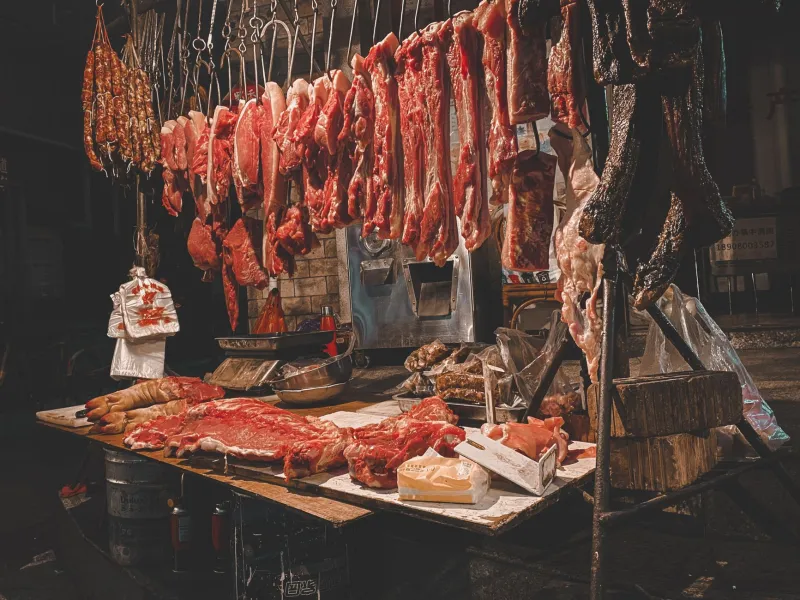
There's a moment, in any decent butcher's shop, when you either get it or you don't. It's the moment the man behind the counter lifts a gleaming ox liver from the tray, holds it up like a trophy, and says — without a trace of irony — "beautiful, that."
If your stomach turns, you've been got at. By the supermarkets, by decades of sanitised food culture, by the slow creep of convenience that turned British cooking from a nose-to-tail tradition into a boneless, skinless, entirely inoffensive parade of approved cuts. But if you lean in, if you ask how he'd cook it, if you leave with a brown paper parcel tucked under your arm and a recipe in your head — well, then. Welcome back.
Britain, it seems, is finally finding its guts again. Quite literally.
What We Lost — and How Fast We Lost It
It wasn't always like this. Cast your mind back to the post-war kitchen, or further still — to the farmhouse, the terraced house, the pub kitchen where nothing was wasted because nothing could be wasted. Faggots. Devilled kidneys on toast. Potted tongue. Tripe and onions on a Friday. Brawn. Bone broth simmering on the back of the range from Sunday through Tuesday. These weren't delicacies. They were dinner.
Somewhere between the 1970s and the arrival of the meal deal, we collectively decided that the inside of an animal was somehow shameful. The rise of the supermarket — with its polystyrene trays, its portion-controlled uniformity, its complete absence of anything that might remind you food once had a face — did a number on the British palate. Offal quietly vanished from family menus, from school dinners, from the nation's collective memory. A generation grew up thinking a chicken was basically a breast with some inconvenient bits attached.
Sam Hodgetts, a butcher in Ludlow who's been behind the block for over twenty years, has watched this happen in real time. "When I started, we'd sell liver, kidneys, hearts — regular weekly stuff. Families knew what to do with them. Then it just... stopped. People'd come in, see the tray, and physically recoil. Like I was selling something dodgy."
He's not bitter about it. But he does find it baffling. "It's the best-tasting, most nutritious, cheapest part of the animal. And we were just throwing it away."
The Chefs Who Kept the Faith
While supermarket Britain was busy pretending animals were made entirely of breast meat and mince, a small but stubborn cohort of chefs was doing something quietly radical: cooking the whole animal and making it look extraordinary.
Fergus Henderson at St. John in London is the name that always comes up first, and rightly so. His roast bone marrow with parsley salad became one of those dishes that genuinely changed the conversation — not just about offal, but about what British cooking could be. Unapologetic. Seasonal. Honest. And absolutely delicious.
But it wasn't just St. John. Across the country, in gastropubs and neighbourhood restaurants, chefs were quietly putting pig's cheek on the menu alongside the ribeye, slipping lamb's heart into a terrine, serving pressed ox tongue with a punchy sauce gribiche. Not as a stunt. As proper cooking.
Chef Priya Nair, who runs a small restaurant in Bristol that rotates its menu around what's available from two local farms, puts it plainly. "Once you cook with the whole animal, you can't go back. The flavour is just better. A braised beef heart has more depth than almost any other cut. Liver done properly — pink in the middle, with caramelised onions and a splash of Madeira — it's one of the great things."
She pauses. "The problem is 'done properly.' People have one bad memory of grey, rubbery liver from school, and that's it. Decades of prejudice from one overcooked portion."
The Home Cooks Coming Round
What's genuinely interesting — and genuinely encouraging — is that this revival isn't just happening in restaurants. It's happening in home kitchens, on food forums, in the kind of Facebook groups where someone posts a photo of a braised lamb kidney and gets two hundred enthusiastic replies.
Margaret Tully, a retired teacher from County Durham, started cooking offal again in her sixties after her local butcher — the last one left in her town — mentioned he was struggling to shift the stuff. "I thought, well, I know how to do this. My mother taught me. So I started buying it again. Now I do a lamb's liver every other week. My grandchildren think it's brilliant. My son-in-law was horrified at first, and now he asks for it."
This is the quiet social dynamic at play here. Someone has to go first. Someone has to bring the braised tongue to the table, serve it with a decent mustard and some pickled walnuts, and wait for the table to admit it's one of the best things they've eaten in years.
The economics help, too. Liver is cheap. Kidneys are cheap. Hearts are cheap. In a cost-of-living crisis that's had everyone reassessing what ends up in the trolley, the fact that offal delivers enormous flavour for very little money is not going unnoticed.
Sustainable, Flavourful, and Overdue
There's a broader argument here that goes beyond taste, and it's one the food world has been making with increasing urgency: if you're going to eat meat, eat all of it. The nose-to-tail philosophy isn't a trend dreamed up by a marketing department. It's the oldest, most sensible approach to animal husbandry there is. An animal was raised, and it deserves better than having two-thirds of it quietly disposed of because modern consumers have developed a peculiar squeamishness about the bits that actually kept their grandparents healthy.
The sustainability argument lands differently depending on who you're talking to, but the flavour argument lands with everyone — eventually. You just have to get them to try it.
Sam Hodgetts has a theory. "The farmers' markets helped. People started talking to producers, asking questions, understanding where food comes from. Once you've had that conversation, once you've shaken hands with the person who raised the animal, throwing half of it in the bin starts to feel obscene."
Order It. Cook It. Stop Being Daft.
Britain has always had the recipes. It has the tradition, the regional variations, the pub classics and the farmhouse staples. What it temporarily lost was the confidence — or perhaps the memory — to use them.
That confidence is coming back. Slowly, imperfectly, and sometimes with a slightly nervous first bite. But it's coming back.
Next time you're in a proper butcher, ask what they've got behind the counter. Order the devilled kidneys if they're on the menu. Try the bone marrow. Make your grandmother's faggot recipe, or find someone whose grandmother had a better one.
The pig's ear — and the liver, and the heart, and the tongue — has always been worth eating. We just forgot for a bit. Forgiven. Now get on with it.